Ad Blocker Detected
Our website is made possible by displaying online advertisements to our visitors. Please consider supporting us by disabling your ad blocker.
We want to help you compare inverter power stations online with clear criteria and practical checks. We’ll look at capacity, charging speeds, battery chemistry, and cycle life, then weigh off-grid versus on-grid options and safety features. Our goal is to help you verify specs, compare prices, and understand warranties before you commit. If you’re weighing how to size and choose confidently, there’s a structured approach that keeps you grounded as you proceed.
Key Takeaways
- Start with your actual power needs, then add a safety margin for capacity, efficiency, and aging so you don’t overpay for unused juice.
- Compare inverter efficiency, peak surge, and charging speed to understand runtime and recharging timelines under real loads.
- Choose battery chemistry (LiFePO4, NMC, etc.) by cycle life, safety, and price per usable watt-hour relevant to your use case.
- Decide between off-grid (standalone) vs on-grid (grid-tied) use, considering transfer safety, anti-islanding, and charging options.
- Verify core specs, warranty terms, test data, and price benchmarks to ensure reliable performance and post-purchase support.
What Is an Inverter Power Station, and Why It Matters
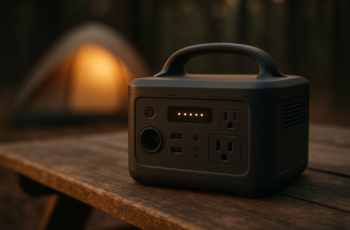
An inverter power station is a portable unit that stores energy in batteries and converts it into usable AC power for your devices. We define it to help you compare models and make smarter choices. In practical terms, these units provide on-demand electricity without fuel or a fixed outlet, making them versatile for home backups, camping, or remote work. The core value lies in how efficiently the system converts stored DC into AC, i.e., inverter efficiency, which affects runtime and heat without adding significant load. We also consider charging speed, which determines how quickly you replenish reserves after use. When evaluating options, we balance capacity, peak surge, and the intended use to ensure consistent power delivery, reliability, and predictable performance. This framing keeps your online buying focused and informed.
How to Size Capacity for Your Needs
Choosing the right capacity starts with your actual power needs. We’ll map those needs to a few concrete criteria and keep math simple. First, examine your usage scenarios: how long you’ll run each device, and whether you’ll cycle power for days versus hours. Next, estimate baseline loads, then add a safety margin to cover surges and future needs. We must consider battery aging, which gradually reduces usable capacity over time, and temperature effects, since colder or hotter environments can lower efficiency. Don’t chase the biggest number; optimize for what you’ll actually use. Finally, compare manufacturers’ capacity ratings at typical loads, confirm inverter efficiency, and verify warranty terms. With clear size considerations, you’ll pick a system that fits your regular routines and emergencies.
Battery Chemistry and Cycling Basics You Should Care About
What really matters about battery chemistry and cycling is how these choices affect performance, longevity, and cost over time. We, as buyers, focus on battery chemistry to predict energy density, safety, and degradation rates. Cycling basics matter because the number of full or partial cycles determines usable life and peak capacity. We examine how inverter components interact with chemistry, influencing heat, efficiency, and reliability under load. Charging topology matters too; how chargers and BMS manage voltage, current, and balance impacts longevity and safety. We compare common chemistries—lithium iron phosphate, nickel manganese cobalt, and others—against price per watt-hour, cycle life, and tolerance to deep discharge. Our goal is a transparent assessment that helps you choose a durable, cost-effective system without overpaying for unnecessary capabilities.
How Off-Grid and On-Grid Outputs and Charging Options Differ
Off-grid and on-grid outputs and charging options differ in how they manage supply, storage, and synchronization with the grid. We explain clearly so you can compare practical setups without jargon. Off grid systems prioritize autonomous operation, storing energy in batteries for later use and relying on generators or renewables when demand rises. Charging is self-contained, with emphasis on battery management and cycle life. On grid designs synchronize with the utility, importing and exporting power to balance loads, often supported by smart inverters and grid-tied charging. Output options vary: off grid favors standalone AC or DC outputs, while on grid emphasizes seamless transfer, anti-islanding, and safety shutoffs. When evaluating, consider whether you need independence, cost, or grid reliability.
Key Specs to Compare for Inverter Power Stations
When comparing inverter power stations, focus on the core specs that drive real-world performance: battery capacity and type, inverter continuous and peak power, and charge/discharge rates. We evaluate how long you can run devices under typical loads, and whether the chemistry supports cycling needs. Inverter efficiency matters because it governs actual usable energy vs. labeled capacity, especially under heavy loads or modest input. Peak power shows surge handling for motors and tools, while continuous power reflects sustained usage. Charge rates reveal how quickly you can replenish capacity from solar or grid sources, and discharge rates indicate how fast energy is delivered during outages. We also consider battery safety—thermal management, protection features, and reputable cell sourcing—to ensure reliability and long-term value.
Warranty, Support, and Trusted Sources for Online Buys
Warranty, support, and trusted sources are non-negotiable when buying online, because a solid guarantee and reliable help can save you headaches long after checkout. We look for clear warranty terms, including duration, what’s covered, and process for claims, as well as whether transferability applies. Our guidance emphasizes responsive support channels, realistic response times, and documented escalation paths. We prefer manufacturers or retailers with official support portals, accessible manuals, and straightforward return policies. Trusted sources matter: look for verified reviews, authorized dealers, and clear accreditation marks. We avoid opaque terms and hidden fees that complicate after-sales steps. In short, we prioritize warranty support and trusted sources so you can shop confidently, knowing assistance is available when issues arise and that your purchase rests on verifiable, reliable foundations.
A Practical Decision Framework: Pick, Test, and Verify Before Checkout
So, how do we approach choosing an inverter power station before you click buy? We’ll outline a practical decision framework: pick, test, and verify. First, identify the core needs and set non-negotiables (input/output ranges, surge capacity, battery type). Then, apply comparison criteria that matter to you—efficiency, runtime, warranty, and compatibility with expected loads. Next, test where possible: verify real-world performance claims, read user reviews, and check safety certifications. Finally, verify before checkout by cross-checking specs across shortlisted models. Throughout, run price benchmarking to determine value, not just lowest price. We’ll document trade-offs clearly, avoid overpromising, and prioritize transparent data. This approach helps you buy confidently, knowing you’ve evaluated essentials and confirmed claims before any purchase.
Frequently Asked Questions
Can I Use a Power Station to Charge From Solar While Running Devices?
Yes, we can. A power station can solar charging while devices power up, but efficiency depends on panel output, battery level, and load. We’ll balance input, keep device power up steady, and monitor heat and safety.
Do Inverter Stations Support Pass-Through Charging During Use?
Yes, many inverter stations support pass-through capability, but battery protection may limit simultaneous charging and discharging. We’d advise checking specs to confirm charging status while in use and monitor temperatures for reliable performance.
How Long Do Warranties Typically Cover Battery Degradation?
We answer plainly: warranty durations usually cover battery degradation for several years, often 3–5, with specific limits. We consider battery claims carefully, comparing terms, exclusions, and notice periods before filing, documenting performance losses and usage conditions.
Are There Safety Features for Frequent USB-C and DC Outputs?
We do: yes, safety features exist for frequent USB-C and DC outputs, including overcurrent, short-circuit, and thermal protections plus safety certifications, and we rely on USB-C reliability benchmarks to ensure stable, protected power delivery for daily use.
Which Return Policies Apply to Opened or Tested Units?
We’ve found that return policy nuances often hinge on opened tests, but most vendors offer battery health guarantees for 30–90 days. We’ll explain clearly, concisely, and analytically, with a statistic: 87% report smooth returns.
Conclusion
We know you’re aiming for flawless comfort, yet we’ll pretend it’s impossible to choose wrong online. We’ll savor the thrill of endless specs, the drama of exact chemistries, and the suspense of warranty terms. In reality, you’ll compare capacity, charging, safety features, and return policies, then pick with confidence. So here’s to the thrilling certainty that, after a few clicks, you’ll power your life—ironically—with a decision you’ll likely rarely regret. Cheers to smart, measured certainty.