Ad Blocker Detected
Our website is made possible by displaying online advertisements to our visitors. Please consider supporting us by disabling your ad blocker.
Disclosure: As an Amazon Associate, I earn from qualifying purchases.
Have you ever wondered whether a single portable power station can truly cover weekend camping, RV trips, and act as a dependable home backup?
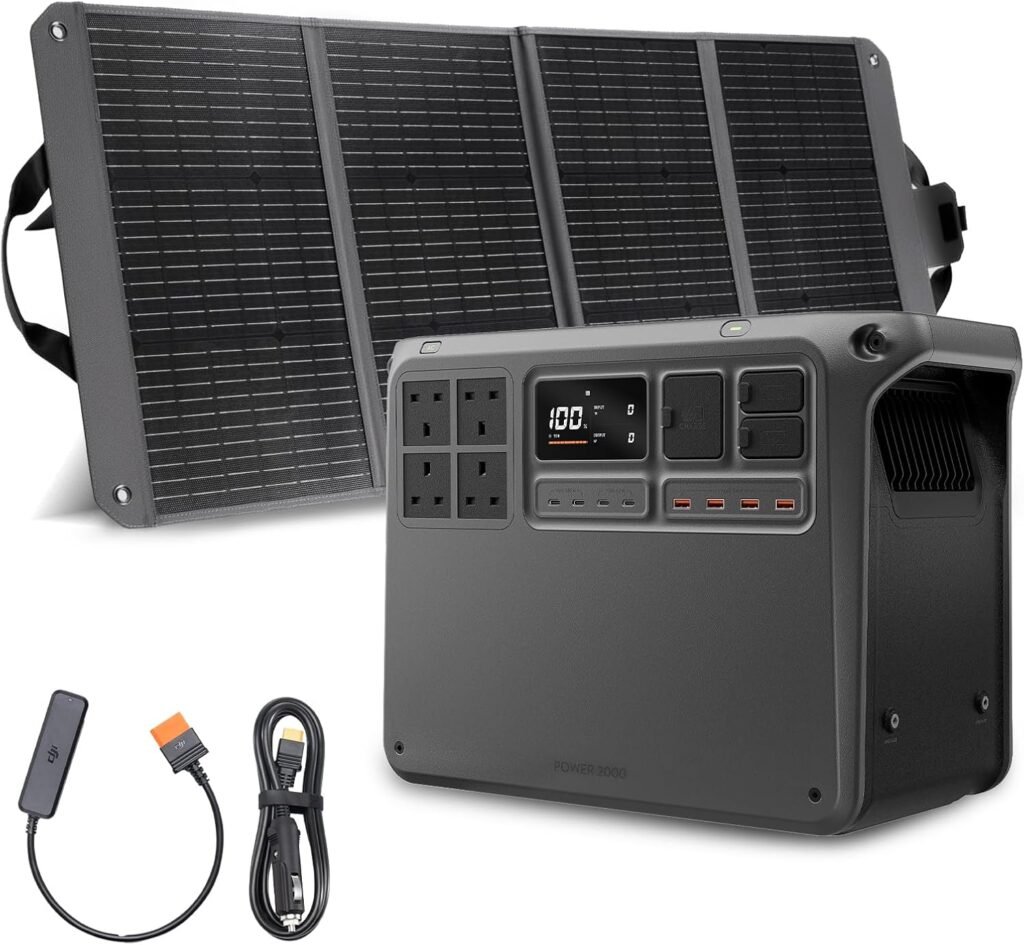

Overview of the DJI Power 2000 Portable Power Station
We think the DJI Power 2000 Portable Power Station, 3000W Stable Output Solar Generator 2048Wh LFP LiFePO4 Battery+120W Solar Panel, 45m Fast Charging Off-Grid Electric Generator for Home Backup Outdoor RV Camping is designed to sit at the intersection of high-capacity backup and rugged portability. It promises a blend of long-lasting LFP chemistry, fast charging, and enough output to run many household appliances, which makes it appealing whether we’re heading outdoors or preparing for outages.
Key Specifications at a Glance
We like to keep quick specs handy when comparing options or making a purchasing decision. The table below summarizes the most important numbers so we can refer back without scrolling through paragraphs.
| Specification | Detail |
|---|---|
| Model | DJI Power 2000 Portable Power Station |
| Battery Type | LFP (LiFePO4) |
| Usable Capacity | 2048 Wh |
| Continuous AC Output | 3000 W |
| Included Solar Panel | Zignes 120W Solar Panel |
| Fast Charge | 80% in ~45 minutes |
| Noise Level | As low as 29 dB |
| UPS Switch Time | 10 ms |
| Ports | 15 ports (including dual full SDC ports) |
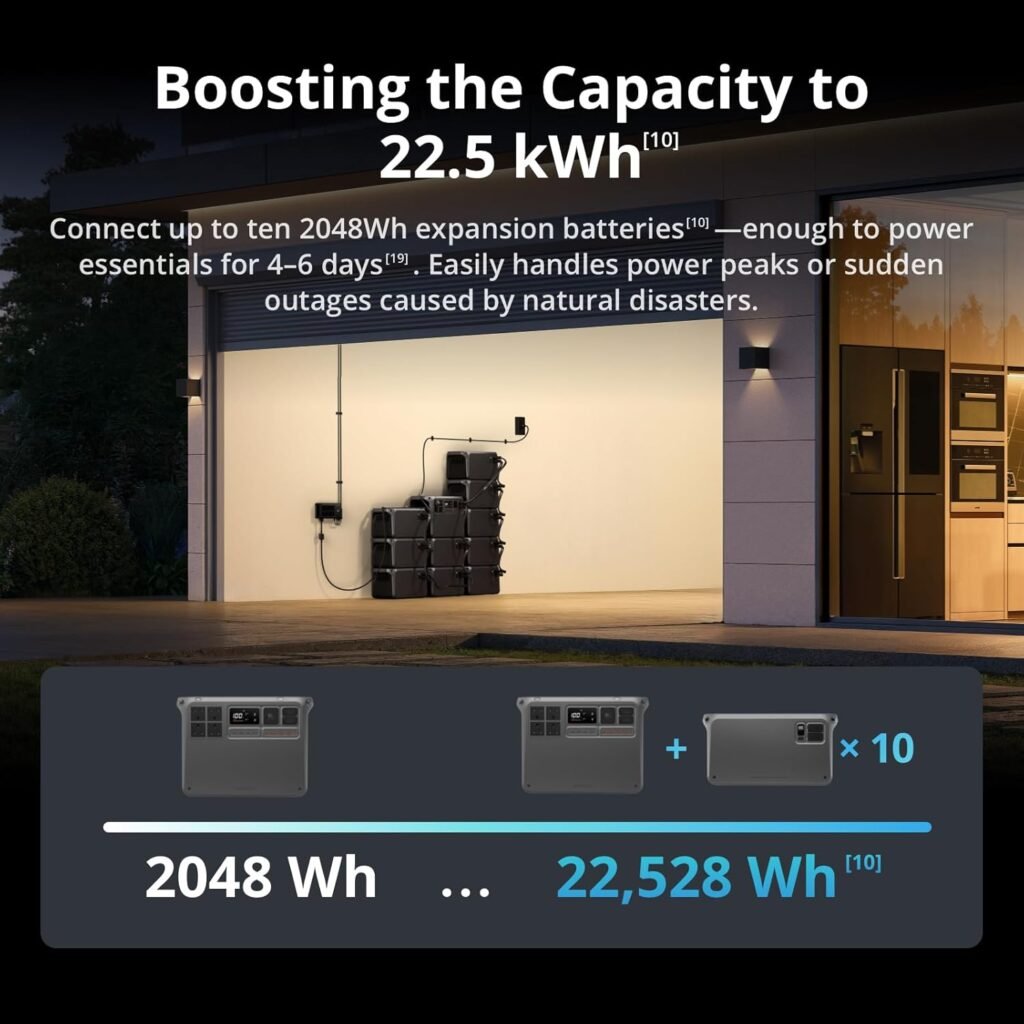
| Expandable Capacity | Up to 22.5 kWh (requires extra batteries) |
| Included Cables | DJI Power AC Cable, Car Power Outlet to SDC Cable |
| App | DJI Home app wireless connection |
| Safety | Smart BMS, sub-nano coating, flame-retardant housing |
Design and Build Quality
We find the DJI Power 2000’s exterior immediately communicates ruggedness and purpose. The flame-retardant housing and what DJI calls a sub-nano coating give us confidence that the unit is meant for outdoor use and rough handling without being fragile.
Form Factor and Handles
The unit is relatively compact for a 2 kWh station, but still substantial in weight—expect to use the handles or two-person carry for longer hauls. We appreciate that DJI thought about ergonomics, which helps when we load it into an RV or shift it around a campsite.
Port Placement and Accessibility
Ports are grouped logically so we can plug multiple devices in without awkward cable bending. Having 15 ports means we can serve a small group, and the dual full SDC ports are particularly handy for high-power or parallel uses.
Battery and Chemistry
We’re glad DJI used LFP (LiFePO4) chemistry in this package because it combines safety, longevity, and thermal stability. LFP batteries typically tolerate more cycles and resist thermal runaway better than many alternatives.
Capacity and Cycle Life
With a 2048Wh capacity, the Power 2000 sits in that sweet spot of being powerful enough for overnight essentials while still being portable. We also like that LFP cells usually maintain a high cycle life, which should translate into years of reliable use if we care for it properly.
Safety Advantages of LFP
LFP chemistry reduces the risk of fire compared to some high-energy chemistries, which is reassuring for indoor or RV use. The smart BMS further protects the pack against overcharge, deep discharge, and cell imbalance, which we view as essential for long-term health.
Power Output and Ports
We appreciate the 3000W continuous output rating because it lets us run more demanding appliances without tripping the unit. The broad selection of ports makes the generator versatile for both low-draw electronics and higher-draw appliances.
AC Output and Sine Wave Quality
A stable 3000W output is more than enough for most household devices and tools, and we expect the inverter to produce a clean sine wave suitable for sensitive electronics. That matters when we’re running laptops, medical devices, or audio gear.
Port Variety and Use Cases
With 15 ports, we can charge phones, laptops, lights, and run small kitchen appliances simultaneously—perfect for a group on the road. The presence of dual full SDC ports gives us flexibility for heavier loads or for chaining systems when needed.
Charging Options and Times
We like the versatility in charging methods because it reduces downtime and gives us options depending on the situation. Fast charging to 80% in around 45 minutes is a standout claim that elevates the unit’s practicality for on-the-go users.
AC Fast Charging
Using AC input, DJI says the Power 2000 reaches about 80% in only 45 minutes, which is fast for a two-kilowatt-hour class unit. Fast AC recharge is especially useful after a long trip or when we come home and need the unit topped up quickly.
Car Charging
The included car power outlet to SDC cable makes it practical to charge from a vehicle while we drive. We treat car charging as supplementary—handy for extended travel, but slower than AC or robust solar setups.
Solar Charging
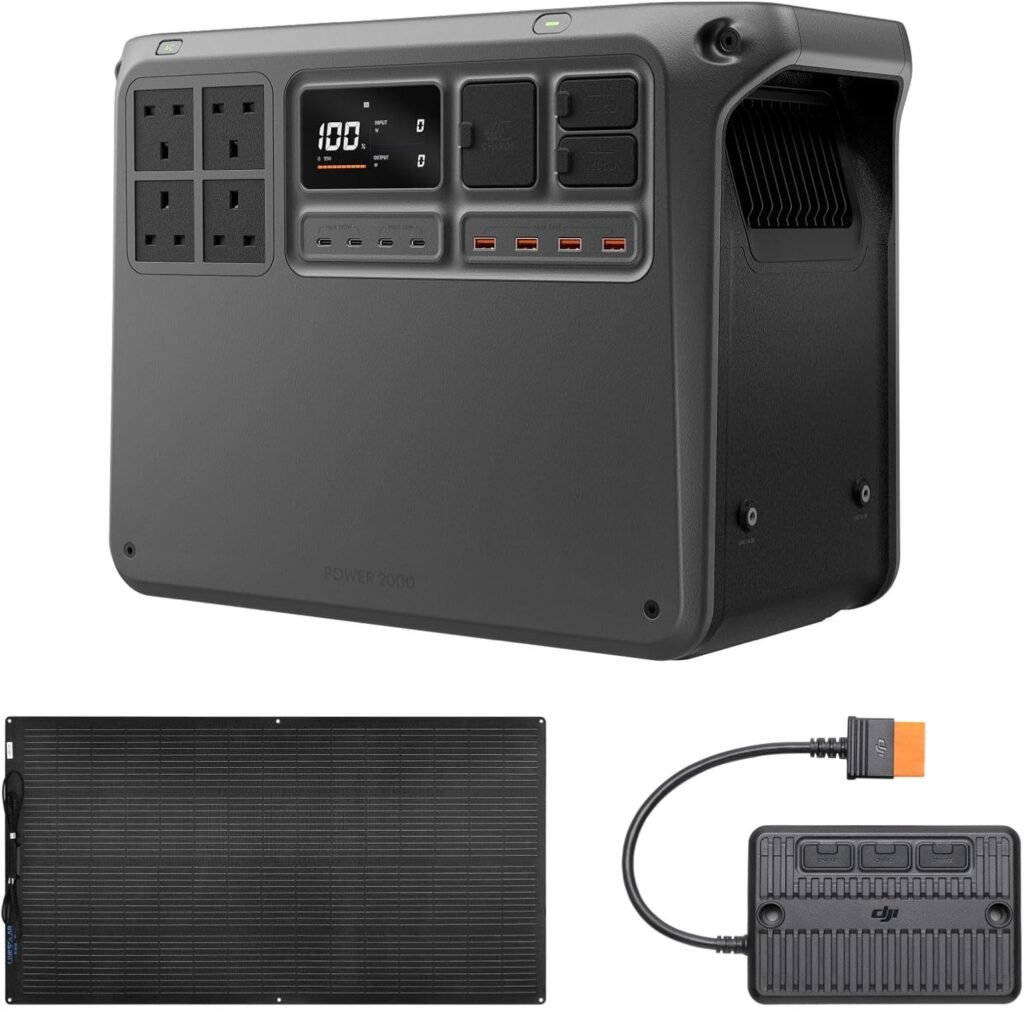
The Zignes 120W solar panel is included for portable solar charging, but we should expect slow full recharges from a single 120W panel unless we add more panels or find very strong sun. Solar is ideal for trickle or partial charging while camping; for rapid recharge off-grid we’d plan to expand solar wattage.

Solar Performance in Practice
We find single-panel solar setups convenient but limited in speed for large-capacity units like this one. The unit will accept solar input and can be part of a larger solar array, which gives us the flexibility to scale based on how much we want to invest or carry.
Realistic Solar Recharge Times
A 120W panel under perfect conditions might give ~600-700 Wh in a full sun day, meaning a full recharge could take multiple days from a single panel. When we pair more panels or use high-wattage arrays, the recharge time drops significantly and becomes practical for extended off-grid trips.
Panel Durability and Portability
The Zignes 120W panel seems designed for portability and convenience, which we like for set-and-go camping. It’s not a substitute for a rooftop array on an RV, but it’s useful for topping up during daylight hours.
Noise and Cooling
We were pleasantly surprised by the low noise rating; 29 dB is very quiet for a high-capacity inverter. That allows us to use the Power 2000 quietly in campsites, RV interiors, and during home use without creating disturbance.
Fan Behavior and Night Use
Since the unit can run as low as 29 dB, we find nighttime charging or overnight runs much less intrusive than many generators. Fans may ramp up under heavy load, but the design keeps the noise low until we push the unit near its continuous limits.
Thermal Management
The combination of LFP chemistry and an intelligent BMS helps manage heat effectively, which we appreciate for both safety and longevity. The chassis appears designed to dissipate heat without excessive reliance on noisy fans.
Safety Features
We place a high priority on safety when recommending power stations, and the Power 2000 includes several notable protections. Smart BMS, flame-retardant housing, and sub-nano coating add layers of protection against common failure modes.
Protective Electronics and Firmware
Smart BMS protects against overcurrent, overvoltage, and cell imbalance, which helps prevent premature battery degradation. Firmware updates via the DJI Home app may also improve protections and add new features over time.
Environmental and Mechanical Safety
The flame-retardant housing and sub-nano coating increase the unit’s durability in damp, dusty, or rugged outdoor conditions. We still recommend common-sense precautions—keeping the unit dry and ventilated in extreme conditions.
UPS and Backup Performance
We appreciate the Power 2000’s 10 ms UPS switch time because it protects sensitive devices during brief outages. That quick transition can prevent device reboot or failure for many electronics, which is critical in home backup scenarios.
Practical Implications of 10 ms Switch Time
A 10 ms transfer window is effectively seamless for most consumer electronics and many professional devices. It means we can rely on the unit to keep routers, DVRs, and even some medical devices running through short interruptions.
Extended Outages and Runtime Expectations
With its 2048Wh capacity, the Power 2000 can sustain essential loads for multiple hours to days depending on consumption. For longer blackouts, the ability to expand capacity up to 22.5 kWh is attractive, though expansion batteries are sold separately.
Expandability and Storage Options
We like modular options because our power needs can change over time. DJI’s stated ability to expand to 22.5 kWh offers a path to long-duration backup without buying a brand-new system.
How Expansion Works
Expansion requires additional batteries and possibly additional hardware; the manufacturer notes these accessories are sold separately. This allows us to start with a manageable system and grow it if we move to off-grid living or need extended emergency backup.
Use Cases for Expansion
If we plan to power a whole-house essential load during extended outages, expanding to multiple kilowatt-hours makes sense. For casual campers, the base unit is likely sufficient, but the expansion path is there if our needs grow.
DJI Home App & Smart Features
We appreciate smart control because it lets us check status and manage settings remotely, which is especially helpful in RV or garage setups. Wireless connection to the DJI Home app adds convenience and gives us telemetry and control at a glance.
Remote Monitoring
With the app, we can check battery percentage, input/output power, and configure some settings without physically being next to the unit. That remote visibility is useful when we’re asleep or away from our campsite and want to confirm everything is running normally.
Firmware and Updates
App connectivity also allows for firmware updates, which may bring performance improvements or bug fixes. We like devices that can receive updates because they often improve longevity and user experience.
Real-World Performance Estimates
We find practical run-time estimates essential for planning. The table below shows approximate runtimes for common devices to help us understand how long the DJI Power 2000 might power typical gear. These are estimates based on a 2048Wh usable capacity and assume ideal conditions; actual runtimes will vary with efficiency and device draw.
| Device | Typical Draw (W) | Estimated Runtime (hours) |
|---|---|---|
| Smartphone (charging) | 10 W | ~200+ hours (many charges) |
| Laptop | 60 W | ~34 hours |
| LED Lights (10 bulbs @ 8W) | 80 W | ~25 hours |
| Mini Fridge | 60–100 W (avg) | ~20–34 hours |
| Portable Fan | 30 W | ~68 hours |
| Electric Kettle (boil cycles) | 1500 W | ~1–1.2 hours (intermittent use) |
| Microwave (typical) | 1000 W | ~2 hours (intermittent use) |
| Electric Saw / Drill (intermittent heavy) | 1500–3000 W | Short bursts; depends on duty cycle |
| CPAP (with heating) | 40–80 W | ~25–50 hours |
We stress that high-wattage appliances like kettles and saws draw large bursts and will significantly reduce runtime; however, the 3000W continuous output lets us run many heavier tools within capacity limits for short periods.
Use Cases and Who This Is For
We see this unit as attractive to people who need a flexible solution that covers outdoor recreation and serious home backup. Whether we’re a family preparing for seasonal storms or a weekend vanlifer, this device aims to bridge both needs.
Camping and RV Use
For RV travelers, the combination of quiet operation and a range of ports is a big plus. The unit’s capacity and port selection mean we can serve a small group while sleeping comfortably thanks to the low noise levels.
Home Backup and Emergency Use
In a home backup scenario, the quick UPS switching and expandability make this a practical option for protecting essential electronics. We can power fridges, routers, lights, and critical medical devices for hours or, with expansion, for days.
DIY and Jobsite Use
The 3000W output and dual SDC ports make the Power 2000 viable for certain jobsite tools in intermittent duty cycles. We’d still weigh tool duty cycles carefully, but the generator gives us portable power for remote jobs where grid access is limited.
Portability and Handling
The Power 2000 is heavy compared to tiny power banks, but it’s within expectations for a 2 kWh class unit. We find the handles and form factor make transportation straightforward, though two people are helpful for loading into vehicles.
Weight Considerations
Because of the LFP cells and protective housing, we expect a fair amount of weight, and we recommend planning for that when packing for trips. The trade-off for weight is safety and longevity, which are both worthwhile in our view.
Storage and Stowage
The unit stores neatly in a garage or RV compartment, and keeping original packaging during the return window is advised for safe shipping. For long-term storage, we recommend keeping it in a cool, dry place and maintaining an appropriate state of charge.
What You Get in the Box and Accessories
We appreciate a clear list of included items so we don’t end up missing cables or panels on day one. DJI bundles a helpful set of accessories for most common use scenarios.
Included Items
The package includes the DJI Power 2000, a Zignes 120W solar panel, a DJI Power AC power cable, and a car power outlet to SDC power cable (12V/24V). This set-up lets us get started with AC charging, car charging, and basic solar charging right away.
Recommended Accessories
We suggest adding more solar panels if we plan to rely heavily on solar charging, and considering expansion batteries for extended home backup. Protective cases or soft bags for the solar panel can also help prolong their life.
Setup and First-Time Use
We like devices that are intuitive to get running, and the Power 2000 largely meets that expectation with obvious ports and a mobile app for guidance. Initial setup involves charging the unit, registering the device in the app if desired, and familiarizing ourselves with port functions.
Initial Charging and Calibration
We recommend a full initial charge before first heavy use to let the battery management system calibrate. Using the AC fast charger is the quickest way to reach that initial charge, after which we can test loads and UPS function.
App Pairing and Configuration
Pairing with the DJI Home app is typically straightforward, and we advise installing firmware updates early to ensure optimal performance. The app also helps configure charging limits and monitor health metrics.
Maintenance and Care
We take a proactive approach to battery maintenance to maximize life and performance. Simple practices like avoiding extreme temperatures and keeping the unit clean will go a long way.
Storage Charge Guidelines
For long-term storage, we recommend keeping the battery at a 40–60% state of charge and topping it off periodically. This practice helps preserve LFP battery health and avoids the stress of deep discharge.
Cleaning and Handling
We avoid getting the unit excessively wet and keep vents clear of debris. While the unit has protective coatings, everyday maintenance still matters for reliability and longevity.
Pros and Cons
We like to balance enthusiasm with clear limitations so we can make measured purchasing decisions. Below are strengths and trade-offs we observed.
Pros
- Large 2048Wh LFP battery for longer runtime and high cycle life.
- 3000W continuous output supports heavier appliances and tools.
- Fast AC charging to 80% in ~45 minutes reduces downtime.
- Quiet operation (as low as 29 dB) suitable for indoor and campsite use.
- UPS with 10 ms switch time protects sensitive devices.
- Expandable to large storage capacity for extended outages.
- DJI Home app for remote monitoring and firmware updates.
Cons
- Single included 120W solar panel is limited—additional panels needed for rapid solar recharge.
- Weight makes it less pocketable; two people may be needed for frequent lifting.
- Expansion batteries sold separately increase total system cost if we need long-term backup.
- High-wattage, continuous loads will drain capacity quickly—planning and scaling are necessary.
Comparisons with Similar Units
When evaluating against peers, we look at capacity, continuous output, charging speed, and expandability. The Power 2000 competes strongly in capacity and output, and excels in fast recharge and LFP chemistry.
How It Stacks Up
Compared to other 2 kWh-class systems, the DJI Power 2000’s 3000W output and fast AC charging put it near the top for versatility. Its real advantage is the combination of high discharge capability, LFP safety, and UPS function.
When Another Option Makes Sense
If our priorities are ultralight portability or the lowest possible price, smaller or simpler units may be a better fit. Conversely, for long-term home backup with built-in expandability, the DJI system is attractive but may require additional purchases.
Buying Tips and Considerations
We recommend thinking through intended use before buying—are we primarily camping, using it as a daily RV supplement, or planning for home emergency backup? That decision shapes whether the base unit is sufficient or whether we should budget for expansion.
Sizing for Your Needs
Estimate your typical daily consumption and peak loads, then match against the Power 2000’s capacity and 3000W output. If you foresee needing multi-day backup for several essentials, plan for expansion batteries and more solar input.
Warranty and Support
Check regional warranty terms and service centers before purchase, and keep the original packaging until any return period ends. This is especially important due to logistics regulations on shipping power stations.
Shipping, Packaging, and Returns
We note DJI’s recommendation to keep the original packaging during the refund period, which is practical and important for safe returns. Lithium battery logistics can be strict, and the original packaging helps comply with carrier requirements.
Handling Damaged Shipments
If the unit arrives with visible damage, we advise documenting it thoroughly and contacting the seller immediately. DJI and authorized resellers typically have protocols for inspection and replacement.
Long-Term Storage of Packaging
Storing the packaging until the refund window closes gives us the flexibility to return the product if it doesn’t meet expectations. It’s a small step that can save complications later.
Frequently Asked Questions
We like to address common questions so we can be confident in recommendations. Below are answers to queries buyers often have.
Can we expand capacity later?
Yes, DJI indicates expansion up to 22.5 kWh is supported, but expansion batteries are sold separately. Planning the total system early helps avoid unexpected compatibility or cost issues.
How fast does solar charge with just the included panel?
A single included 120W panel will provide modest input and could take multiple sun-filled days to fully recharge the 2048Wh pack. For faster solar recharge, use additional panels or a larger array.
Is the Power 2000 safe indoors?
Yes, LFP chemistry, flame-retardant housing, and smart BMS make it safe for indoor and RV use when used per the manual. We still recommend ventilation and avoiding enclosed spaces with blocked airflow during heavy continuous loads.
Final Verdict
We see the DJI Power 2000 Portable Power Station as a powerful, versatile, and thoughtfully designed option for people who want a single solution for camping, RV trips, and serious home backup. Its LFP battery chemistry, 3000W continuous output, fast charging, quiet operation, and UPS capability make it stand out for mixed-use scenarios. We recommend it for small families, RVers, and anyone who values fast recharge and expandability—but we also advise planning for additional solar panels or expansion batteries if long off-grid autonomy is a priority.
If you’d like, we can help calculate expected runtimes for your specific devices or compare the Power 2000 against particular models you’re considering.