Ad Blocker Detected
Our website is made possible by displaying online advertisements to our visitors. Please consider supporting us by disabling your ad blocker.
Disclosure: As an Amazon Associate, I earn from qualifying purchases.
Looking for a reliable portable power solution that can keep our RV running, protect our home devices during outages, and still be easy to carry to the campsite?
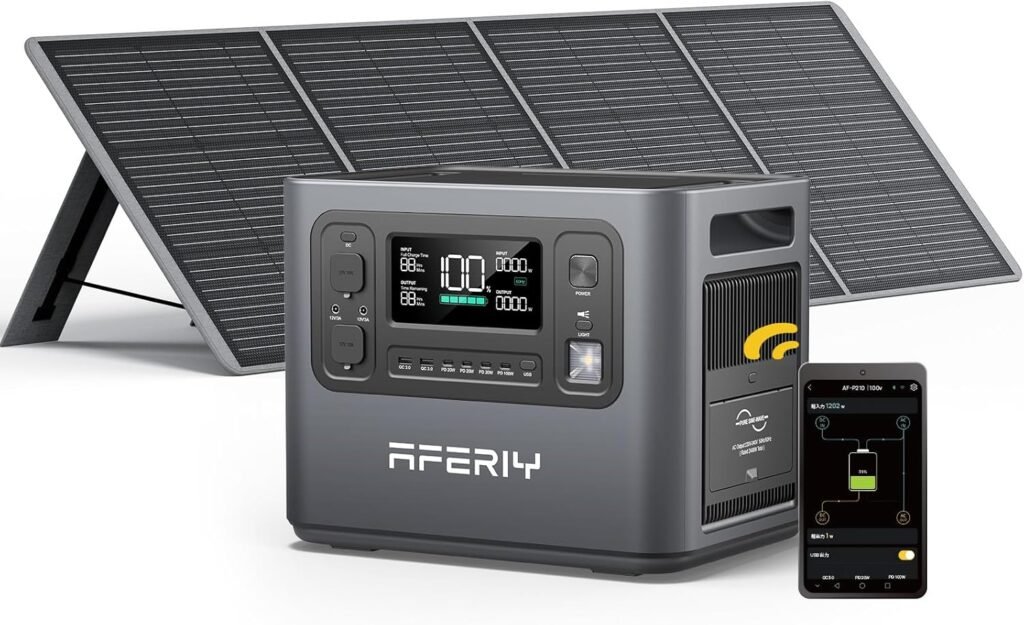

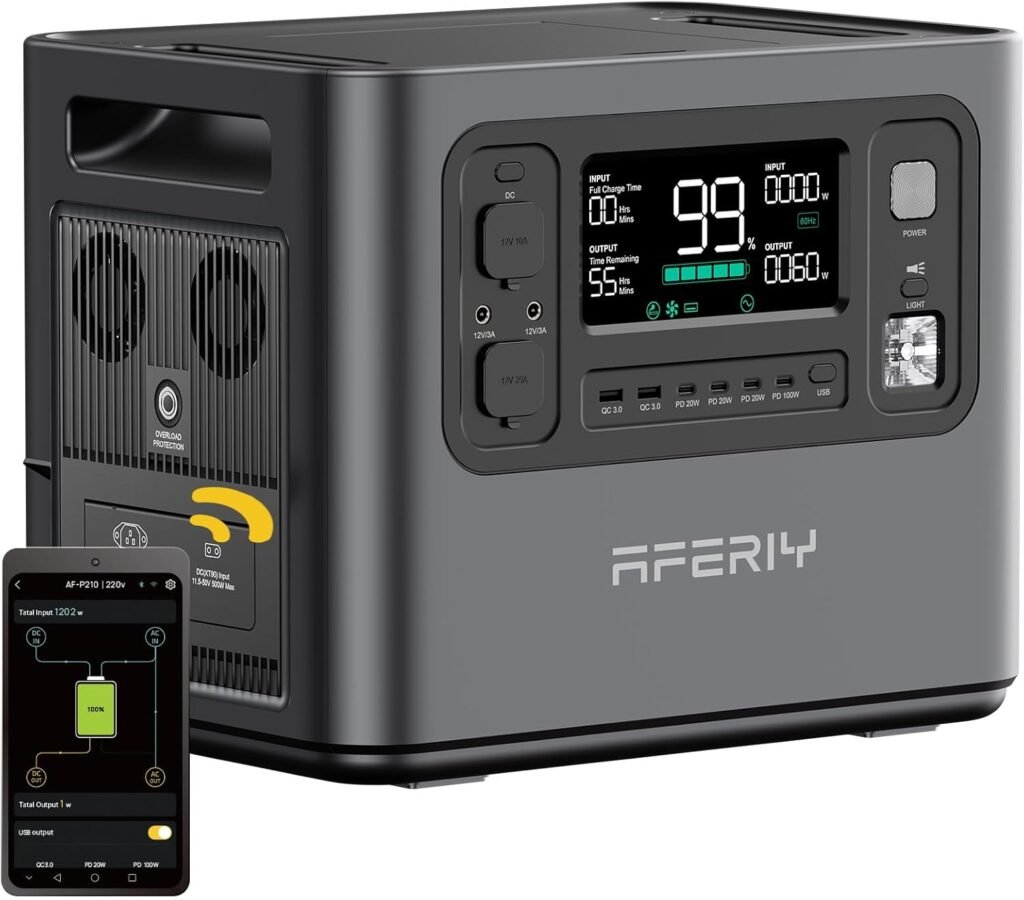
Overview of the AFERIY Portable Power Station 2400W with 200W Solar Panel
We like to begin by looking at what this product promises at a glance. The AFERIY unit pairs a 2048Wh LiFePO4 power station with a foldable 200W Solar Panel, positioning itself as an all-in-one solution for home backup, RV use, and outdoor adventures.
What’s in the box
We want to know immediately what we’ll be handling, and this package includes the power station and the 200W foldable solar panel. The manufacturer also provides charging cables and connectors, and we should keep the original packaging for returns per logistics rules.
Product highlights
We find it helpful to list the standout specs in a concise way so we know what we’re evaluating. The system supports multiple charging inputs, has LiFePO4 chemistry for longer life and safety, and offers a UPS mode that switches within 10 milliseconds to protect our devices.
Key specifications at a glance
We prefer to see a compact specs table to cross‑check capacity, outputs, and size before getting into the details. Below is a summary of the most relevant technical details based on the provided product information.
| Specification | Detail |
|---|---|
| Battery capacity | 2048Wh (LiFePO4) |
| Continuous AC output | 2400W (pure sine wave, 230V AC outlets) |
| AC input (wall) | 220–240V, 1100W |
| Solar input (max) | Up to 500W (50V, MC4-XT90) |
| Included solar panel | 200W foldable panel (IP67, 4.5 kg, folded 55×52×5 cm) |
| Number of output ports | 13 ports (mix of AC, USB, DC) |
| UPS switch time | ~10 milliseconds |
| Dimensions (power station) | 39.8 × 28 × 31.5 cm |
| Weight (power station) | 22 kg |
| Solar panel rating | IP67 (weather-resistant) |

Design and portability
We appreciate products that balance durability with ease of transport, and AFERIY’s design leans toward rugged portability. The power station itself is relatively heavy at 22 kg, but the foldable 200W panel is light (4.5 kg) and includes a handle, which helps when we’re carrying gear to campsites or RVs.
Build quality and materials
We notice a sturdy construction on both the station and the panel, and the solar panel’s IP67 rating reassures us about outdoor use. While the station is heavier than lightweight consumer models, the LiFePO4 pack and protective housing contribute to the weight and to long-term durability.
Size and handling
We find the dimensions manageable for storage in an RV compartment or garage shelf, and the panel’s compact folded size (55×52×5 cm) makes it easy to stow. If we plan to carry the power station for long distances on foot, we should be mindful of the 22 kg weight and consider wheeled cases or assistance.
Battery technology and safety
We care about battery chemistry because it affects longevity and safety, and this unit uses LiFePO4 cells, which are known for stable chemistry and resistance to thermal runaway. The integrated Battery Management System (BMS) adds protections like overcharge, over-discharge, short-circuit, and temperature monitoring so our devices stay safer while drawing power.
LiFePO4 advantages
We like LiFePO4 for its stronger thermal stability and generally longer cycle life compared with traditional lithium-ion batteries. That gives us confidence that the battery will retain useful capacity over a longer service life, particularly for frequent-use scenarios like vanlife or daily home backup.
BMS and device protection
We appreciate that the BMS actively manages voltage and temperature to prevent risk conditions. When we plug in sensitive electronics, the pure sine wave output and BMS safeguards reduce the chance of damage from unstable power delivery.
Charging and recharging performance
We want charging flexibility when we’re off-grid, and the AFERIY station offers four input methods: AC (1100W), solar (up to 500W with MPPT), car charging, and combined AC+solar simultaneous charging. That versatility means we can adapt charging to available energy sources and shorten overall charge time when needed.
MPPT and solar efficiency
We value the MPPT controller because it helps extract maximum power from the solar array under varied light conditions. In real-world terms, MPPT usually yields faster, more consistent Solar Charging compared with basic controllers, especially when clouds, angle, or temperature vary.
Estimated recharge times
We find it useful to estimate charging duration to plan our usage. These are approximate and will vary with conditions and efficiencies, but they give us a practical baseline:
| Charging method | Input power (theoretical) | Approximate full-charge time |
|---|---|---|
| AC wall (1100W) | 1100W | ~2–2.5 hours |
| Solar (up to 500W) | 500W | ~4–5 hours |
| Included 200W solar panel | 200W | ~10–12 hours (single panel, ideal sun) |
| AC + Solar combined | 1100W + up to 500W | under ~1.5–2 hours (depending on panel and conditions) |
| Car charging | varies (lower power) | several hours to a day depending on output |
We should note that these figures are theoretical and assume ideal conditions; inverter and charging losses, temperature, and panel orientation can extend times.
Output versatility and device compatibility
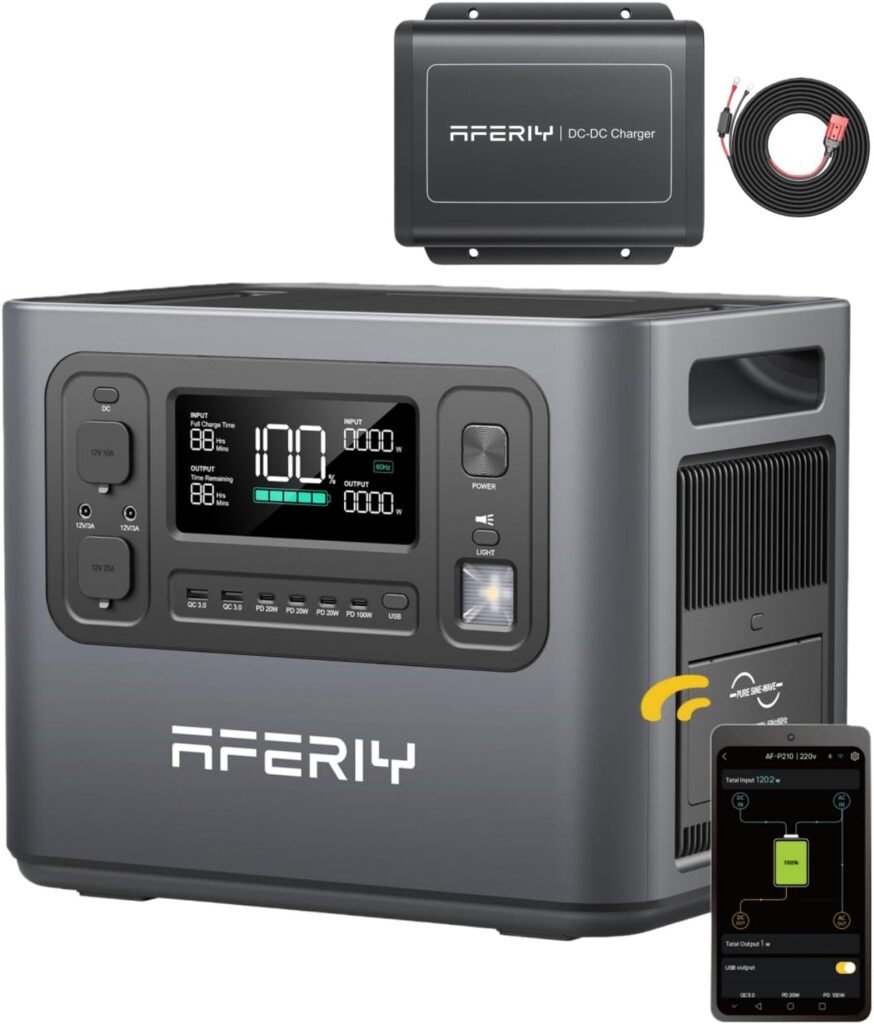
We like systems that can charge many items at once, and this station’s 13-port configuration makes that possible. The pure sine wave AC output supports a broad range of electronics—laptops, TVs, small kitchen appliances, medical devices (check specs), and more.
Running household appliances
We can run appliances up to the 2400W Continuous Output Rating; high-startup loads (motors, some pumps) will draw surge power, so we need to check startup watts against the unit’s surge capability. The UPS feature also helps keep routers, modems, and computers running during short power interruptions.
Typical run-time examples
Estimating how long the station will run particular devices helps us plan. The table below uses typical consumption figures and assumes usable capacity close to the nominal 2048Wh, but remember conversion inefficiencies and device duty cycles will change actual runtimes.
| Device | Typical power draw (W) | Estimated continuous runtime (hours) |
|---|---|---|
| Smartphone charging (10W) | 10W | ~150–180+ hours |
| Laptop (60W) | 60W | ~25–30 hours |
| Small LED TV (50W) | 50W | ~30–35 hours |
| CPAP machine (40–60W) | 50W | ~30–40 hours |
| Mini-fridge (average 60–100W) | 80W avg | ~20–25 hours (compressor cycles affect runtime) |
| Microwave (1000W) | 1000W | ~2 hours (intermittent use) |
| Portable electric kettle or heater (1500W) | 1500W | ~1.2 hours |
We should add that motor-driven appliances like fridges use variable power and high surge when starting; these estimates are guidelines rather than exact guarantees.
UPS capability and real-world reliability
We like the UPS feature because it keeps our critical electronics running during sudden outages. A 10ms switch time is quick enough to prevent most computers and network equipment from shutting down or corrupting data.
Using UPS for data-sensitive equipment
When we use the unit as a UPS, we should verify that our equipment’s startup and continuous watt requirements are within the unit’s capability. For example, desktop computers with large PSUs and gaming rigs may require significant power on startup, so confirming both continuous and surge capacity is important.
Caveats and practical notes
We recommend configuring graceful shutdowns for servers or NAS devices if an outage lasts longer than the station’s expected runtime. The UPS function is excellent for bridging short interruptions or providing hours of backup for lower-draw equipment.
Solar panel: portability and outdoors use
We appreciate that the included 200W panel is foldable, lightweight, and weather-resistant. With an IP67 rating and a compact folded size, it’s convenient for camping, rooftop charging on an RV, or yard use.
Solar panel durability
The IP67 rating indicates strong resistance to dust and temporary immersion, so occasional wet conditions won’t instantly impair the panel. The panel’s rugged build and handle make it easier to position and transport.
Charging reality with the included panel
While the 200W panel is useful and practical for solar charging, it will be noticeably slower than the station’s maximum supported 500W solar input. If we anticipate frequent full recharges via solar, we might consider adding additional compatible panels or using higher-output panel arrays within the station’s input limits.
Noise, emissions, and comparison to fuel generators
We prefer quiet, emission-free solutions for camping and indoor backup, and this power station excels compared to portable gas generators. It runs silently and produces no exhaust fumes, which means more options for indoor or enclosed-space use (subject to local regulations and safety).
Environmental and operational benefits
We like the lack of fuel handling, no scheduled oil changes, and no engine maintenance—a big convenience compared to gasoline generators. In many scenarios, the simplicity of “plug, charge, and run” beats the logistics of fuel storage and refueling.
Practical use scenarios
We find it helpful to imagine real situations where this station shines so we can plan purchases and gear integration accordingly.
Weekend camping and overlanding
We can power lights, a small fridge, laptops, and charge phones without worrying about noisy generators or limited car battery capacity. The included foldable panel helps maintain charge over daytime periods.
RV and vanlife
We can use the station to power 230V appliances when shore power is unavailable, plus the UPS feature protects sensitive electronics during re-connections to campsite power. Carrying the extra solar panels helps us top up battery capacity on longer trips.
Home backup for essentials
We can keep routers, modems, small refrigerators, lights, and a few critical outlets online through short outages or as a temporary solution during longer disruptions. The UPS feature keeps work-from-home setups stable for short interruptions while the battery supplies power for longer outages depending on load.
Photography, events, and work sites
We can use the station to run lights, charge camera batteries, and power laptops during field shoots or remote events where grid power is unavailable or noisy generators are unacceptable.
Pros and cons
We want a clear list of strengths and caveats so we can weigh the purchase against our needs.
Pros
- Robust 2048Wh LiFePO4 battery with better stability and longevity than many consumer lithium-ion packs.
- 2400W continuous AC output supports many household appliances.
- Multiple charging inputs (AC, solar up to 500W, car) and MPPT for efficient solar charging.
- UPS mode with ~10ms switchover protects sensitive electronics.
- Foldable 200W solar panel with IP67 rating is very portable and weather-resistant.
- 13 output ports allow simultaneous charging of many devices.
Cons
- Power station weight (22 kg) makes it less ideal for long-distance backpacking.
- Included solar panel (200W) charges slower than the station’s 500W solar input limit; to reach max solar input we’d need additional panels.
- Real-world recharge times and runtimes depend heavily on conditions; planning for contingencies is necessary.
- No claim of airline-transportable battery capacity—this unit is too large/heavy for air travel and subject to shipping restrictions.
Maintenance, storage, and safety tips
We want our gear to last, so following a few practical guidelines will keep the power station in top condition.
Charging and storage recommendations
We recommend storing the battery at roughly 40–60% charge if not used for long periods and topping it up every few months to prevent deep discharge. Avoid leaving it in extreme temperatures for extended periods to preserve battery health.
Safe operation practices
We should avoid overloading the unit beyond its 2400W continuous rating, confirm surge needs for motor-driven equipment, and ensure adequate ventilation during heavy use to dissipate heat. Keep the original packaging during the return window as recommended; some returns require original boxes due to regulatory reasons.
Solar system and expansion considerations
We find it useful to plan solar expansion if solar charging will be a frequent source of energy for us. The station supports up to 500W solar input at 50V and uses MC4-XT90 connectors.
Adding panels and wiring tips
If we add panels, make sure the combined array voltage and connector types match the station’s input specs (50V, MC4-XT90). Using an MPPT-compatible array and proper cabling helps prevent voltage mismatch and maximizes charging speed.
Ideal solar setups
For faster recharging, pairing the included 200W panel with another 300W of compatible panels (wired correctly) approaches the station’s 500W limit. When connecting panels, matching panel voltage (Vmp) and using correct connectors ensure efficient and safe charging.
Frequently asked questions (FAQ)
We like having quick answers to common concerns so we can make informed decisions without hunting for specs.
Can this power station run a refrigerator?
Yes—many small fridges and mini-fridges will run off this unit for extended periods depending on their average power draw and compressor cycles. We should check the fridge’s rated power and cycle characteristics and account for startup surges.
How long does it take to fully charge the power station?
Using AC input at 1100W, a full charge is roughly 2–2.5 hours in ideal conditions. Solar-only charging depends on panel count and sunlight; a single included 200W panel will take significantly longer than the station’s max 500W solar input capability.
Is the solar panel waterproof?
The included 200W foldable solar panel has an IP67 rating, which protects it from dust and temporary immersion—suitable for outdoor use in variable weather.
Can we expand solar capacity beyond the included panel?
Yes, the station supports up to 500W of solar input. To reach that, we’ll need to add compatible panels and ensure the array matches the specified input voltage and connector type.
Is this unit safe for medical devices like CPAPs?
In many cases, yes—CPAP machines with moderate power draw will run on this station, but we must confirm the device’s continuous and potential surge power requirements and consult medical guidance for critical-use decisions.
What about transport and shipping restrictions?
Because of the LiFePO4 battery and its size, the unit is subject to logistical and regulatory rules. It’s typically too large for air transport and must be shipped according to battery shipping regulations. Keep original packaging if a return might be needed.
Comparison with traditional generators and competing stations
We like to compare tools to see which fits our lifestyle best. Compared to gas generators, this unit is quiet, emissions-free, and lower maintenance but limited by battery capacity and recharge options. Compared to some smaller portable power stations, the AFERIY offers higher AC continuous output and larger LiFePO4 capacity, though at the cost of increased weight.
When to choose this over a gas generator
We prefer this if we need silent operation, indoor use, or want to avoid fuel logistics. For powering electronics or offering quiet campsite power, the AFERIY unit is a better choice.
When a gas generator makes sense
We might prefer a gas generator for very long-term heavy loads where continuous fuel supplies are easier or when we need continuous multi-day high-wattage operation without recharging infrastructure.
Price considerations and value
We think about cost relative to capabilities and long-term use. While initial cost may be higher than smaller units or basic generators, the durability of LiFePO4 chemistry, the included solar panel, and UPS capability present strong long-term value for frequent users.
Long-term cost benefits
We can factor in fewer battery replacements, less maintenance, and the ability to recharge via solar to reduce fuel costs—these all contribute to lower total cost of ownership over time.
Final verdict
We find the AFERIY Portable Power Station 2400W with its 200W solar panel to be a strong option for users who need a high-capacity, safe, and versatile power solution. It’s particularly well-suited for RVers, frequent campers, home backup users who want UPS capability, and anyone wanting a quieter, easier-to-manage alternative to fuel generators. The combination of LiFePO4 safety, multiple charging methods, and a rugged foldable solar panel makes it a practical, long-term investment for portable energy needs.
We recommend this unit for those who value safety, uptime (via UPS), and solar compatibility, and who are comfortable handling a slightly heavier station for the advantages it offers in performance and longevity.