Ad Blocker Detected
Our website is made possible by displaying online advertisements to our visitors. Please consider supporting us by disabling your ad blocker.
Disclosure: As an Amazon Associate, I earn from qualifying purchases.
Have we ever wondered how much clean electricity we could generate from that creek, stream, or small waterfall near our home, cabin, or campsite?

What Is the 500W 110V Micro Hydroelectric Water Turbine Generator?
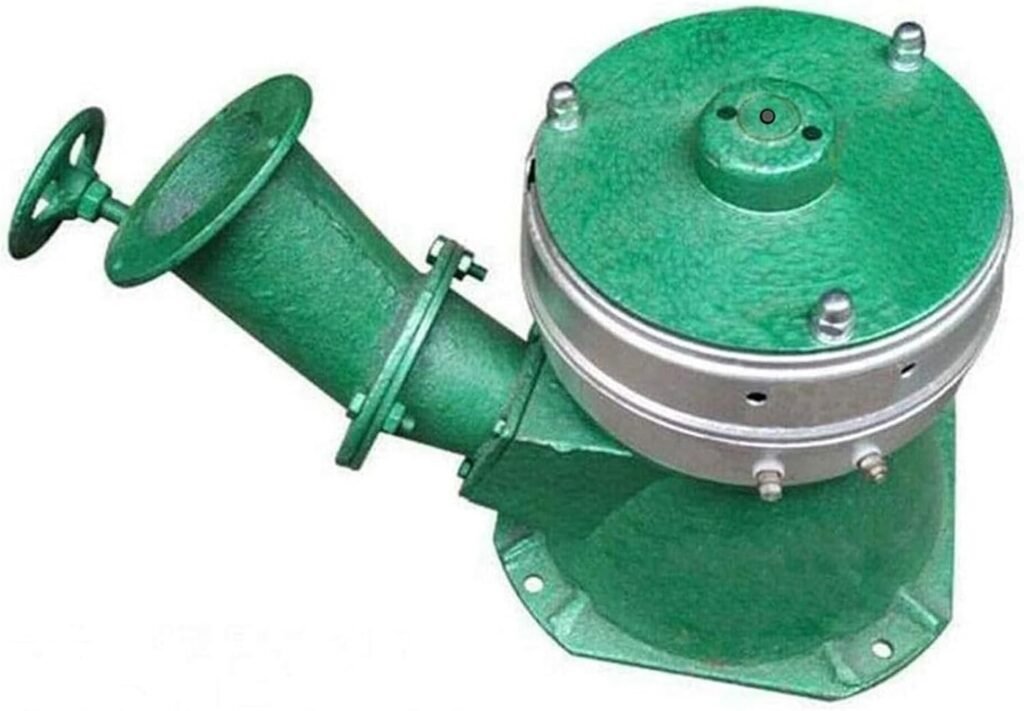
This 500W 110V Micro Hydroelectric Water Turbine Generator is a compact, portable hydro power station designed to turn flowing water into usable AC electricity. We simply channel water through it, and it converts the kinetic energy of the flow into power for pure resistance household appliances.
It is built as an eco-friendly energy solution, ideal for creeks and small streams. We can think of it as our own mini hydro power plant, suitable for off-grid setups, camping, DIY projects, or as an emergency backup energy source.
Key Features at a Glance
To get a quick sense of what this unit offers, we can summarize the main specifications and capabilities in a simple table:
| Feature | Specification / Description |
|---|---|
| Rated Power | 500W |
| Output Voltage | 110V AC (for pure resistance loads) |
| Generator Type | NdFeB permanent magnet generator with pure copper windings |
| Pump / Turbine Flow Rate | 0.007 m³/s (7 liters per second) |
| Head Range | 6 – 15 meters (height difference / water pressure) |
| Rotation Speed | 500 – 1500 r/min |
| Current | 2.3A |
| Shell Material | Die-cast aluminum alloy (corrosion resistant, durable) |
| Drive Design | Gearless direct drive system, low starting resistance |
| Recommended Loads | Pure resistance loads: lighting, TV, electric stove, resistive heaters (within rating) |
| Not Suitable For | Refrigerators, washing machines, water pumps, and other high surge or inductive loads |
| Typical Use Cases | Creeks, cabins, camping, small off-grid setups, emergency backup, DIY renewable projects |
This table gives us an overview, but we will go deeper into how each feature matters in everyday use and what kind of real-world performance we might expect.

Design and Build Quality
The design of this micro hydro generator focuses on durability and consistent performance in outdoor, sometimes harsh, conditions. Since it is intended for use in creeks and streams, build quality and material choice are key.
Die-Cast Aluminum Alloy Shell
The outer shell is made from die-cast aluminum alloy, which offers a strong combination of light weight and corrosion resistance. For a device that is likely to see regular exposure to moisture, humidity, and maybe even splashes or occasional submersion, this matters a lot.
We appreciate that aluminum resists rust far better than basic steel. This means less worry about the unit degrading quickly due to exposure to water, especially in long-term outdoor setups. We can place it near flowing water with more confidence, provided we still follow proper installation practices.
Corrosion Resistance for Outdoor Use
Hydroelectric setups live in environments where corrosion is a real threat. The combination of aluminum alloy, protective coatings, and the compact housing provides a good balance between toughness and portability.
We should still consider additional protection, such as mounting the unit off the ground, using proper brackets, or incorporating a simple shelter or cover. Even with corrosion-resistant parts, giving the generator some physical protection from constant splashes, debris, and direct UV exposure will help maintain performance over time.
Generator Technology and Performance
At the heart of this unit is a permanent magnet generator with specific design choices intended to maximize efficiency and reliability.
NdFeB Permanent Magnets and Pure Copper Windings
The generator uses NdFeB (neodymium-iron-boron) permanent magnets. These are known for strong magnetic fields and high efficiency in compact designs. When we pair such magnets with high-quality pure copper windings, we typically get:
- Better electrical efficiency
- More stable output under consistent water flow
- Reduced heat generation at a given load
We like that this combination is usually found in higher-quality generators. For us, that translates into more reliable power generation for the same amount of water flow and head pressure.
Gearless Direct Drive System
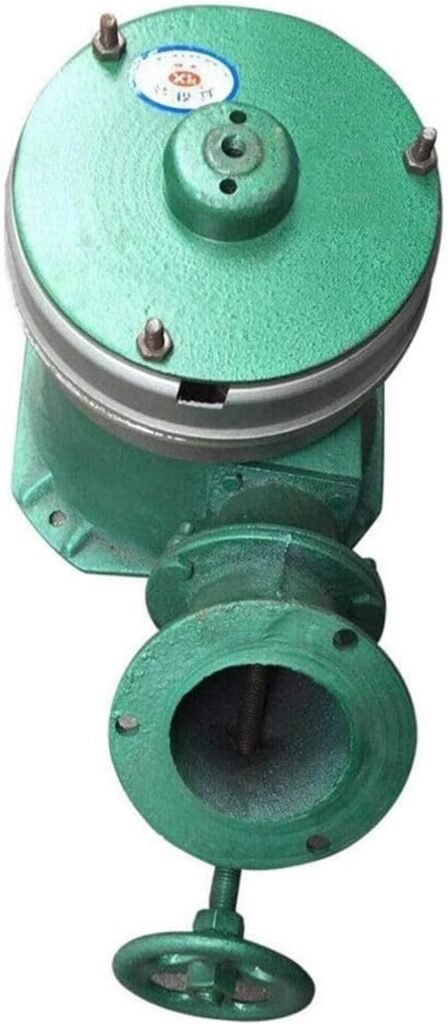
This unit is designed as a gearless direct drive system, meaning the turbine (or water pump turbine assembly) connects directly to the generator without an intermediate gearbox. This has several advantages:
- Fewer moving parts to wear out
- Less mechanical noise
- Reduced friction and energy loss
- Lower maintenance requirements over time
We also benefit from the “low starting resistance” feature. In practice, this means the turbine can start turning and producing electricity even at relatively modest water flow, as long as the head and flow meet minimum design requirements. That helps in environments where water conditions may fluctuate slightly.
Understanding Flow Rate, Head, and Power Output
Hydroelectric power depends heavily on two main factors: flow rate and head. This product’s efficiency and usefulness depend on how well our water source matches its design parameters.
Flow Rate: 0.007 m³/s
The rated flow rate is 0.007 cubic meters per second, which is 7 liters per second. To get a sense of that amount:
- 1 liter = 0.001 m³
- 7 liters per second = 420 liters per minute
We can visualize this as a fairly strong, continuous stream of water—more than just a trickle from a hose, but not necessarily a large river. If we can channel that much water reliably, the turbine can reach its design power output (under the right head conditions).
If our creek is weak or highly seasonal, we might not achieve the full 500W. On the other hand, if we have a steady, well-channeled stream dropping several meters, we could see robust, consistent energy.
Head Range: 6–15 Meters
Head is the vertical distance (height) between the water source and the turbine, which directly affects water pressure and thus power. This system is designed for a head range of 6 to 15 meters.
Here is how that plays out in real usage:
- At 6 meters of head, we get lower pressure and therefore somewhat less power, though still usable.
- As we approach 15 meters of head, pressure increases significantly, and we may get closer to the maximum 500W rating, assuming flow is adequate and installation is correct.
In practical terms, if our property has a sloped creek or a small waterfall, we can place the intake higher up and run a hose down to the turbine. The greater the vertical drop within this range, the better the potential energy output.
Rotation Speed: 500–1500 r/min
The turbine and generator operate between 500 and 1500 revolutions per minute. This speed range is matched with the magnets and windings to provide stable AC output at 110V for resistive loads.
What matters for us is that this speed range is appropriate for small hydro and suggests the generator is optimized to produce power efficiently at typical creek or small stream pressures within the given head range. The control of speed is inherently linked to water flow and load. Proper installation and appropriate electrical loading help keep it in the recommended operating region.
Electrical Output and Suitable Appliances
Not every device in our home can run safely on a small hydro generator like this. It is specifically labeled as suitable for “pure resistance household appliances” and explicitly not for others.
What We Can Power
This generator is intended for pure resistance loads. These are devices where the load is mostly resistive and does not involve inductive motors or compressors. Examples include:
- Home lighting (incandescent bulbs, some LED systems via proper drivers and inverters)
- Small televisions (typically through proper power regulation or inverter)
- Electric stoves or small resistive hot plates (within the power rating)
- Simple resistive heaters (low wattage, within capacity)
- Basic charging setups via compatible regulators or converters
When used properly, we can rely on this unit to provide power for essential lighting, some entertainment, and certain low to moderate power appliances. For many off-grid situations, lighting and low-wattage electronics are the main priorities, and this device can cover those, especially when partnered with a battery bank and an inverter/charge controller.
What We Should Not Power
The product clearly states it is not suitable for:
- Refrigerators
- Washing machines
- Water pumps
- Other motor-based or compressor-based appliances
These devices draw high surge currents when they start up and often have inductive loads that demand more complex power management. A small hydro system like this, without a robust inverter, large battery bank, and surge handling capability, can struggle or even be damaged by such loads.
We should treat this unit primarily as a steady 500W maximum source of AC power for simpler loads, not as a whole-house power solution. If we plan to extend it to a more full-featured off-grid system, we should integrate battery storage and proper inverters designed for handling different load types.
Installation and Setup Considerations
To get the most from this micro hydro generator, we need to think carefully about how we will install it, especially in terms of water management and electrical safety.
Water Intake and Hose Connection
The device is designed to work with a foldable hose, such as a fire hose, for delivering water from the source to the turbine. The main steps we would typically follow:
- Identify a suitable intake point upstream where water is clean, flowing, and stable.
- Install a simple intake filter or screen to prevent debris (leaves, sticks, stones) from entering the hose.
- Run the hose downhill to the location where the turbine will be mounted, ensuring a vertical drop within the 6–15 meter head range.
- Secure the hose connections to avoid leaks, pressure loss, or hose kinks.
We want smooth, laminar flow as much as possible, with minimal bends that could reduce water pressure.
Positioning the Turbine
We should mount the turbine on stable ground, ideally on a concrete base or a secure platform. Proper mounting helps:
- Reduce vibrations and noise
- Protect the unit from being moved or dislodged by water or debris
- Make future maintenance easier
We also want to think about access. If we need to clear intake filters, inspect connections, or adjust the system, having the turbine reachable without climbing hazardous terrain is important.
Electrical Connections and Safety
The generator outputs 110V AC, so we must treat it with the same respect as household mains power. We should:
- Use proper, outdoor-rated cables and connectors
- Incorporate fuses or breakers for overcurrent protection
- Integrate appropriate voltage regulation or an inverter if powering sensitive electronics
- Ensure grounds are properly installed where necessary and safe
If we are not comfortable with AC wiring, we should involve a qualified electrician. Even though this is a “DIY-friendly” product, incorrect wiring can be dangerous.
Efficiency and Real-World Power Generation
The rated power of 500W is a theoretical maximum under ideal conditions. Real-world performance will vary depending on how closely our site conditions match the system’s design requirements.
What 500W Actually Means in Daily Use
If we can achieve a steady 500W, and the water runs 24 hours per day, we get:
- 500W × 24 hours = 12,000 Wh (12 kWh) per day
For perspective, 12 kWh per day is enough to:
- Run efficient LED lighting throughout a small home
- Power a TV and small electronics for several hours
- Support some low-power appliances and phone/laptop charging
- Maintain a basic off-grid setup with some comfort
Even if we only achieve 300–400W continuously, that can still be quite substantial when we compare it with solar panels that only produce power during daylight hours and at varying intensities.
Dependence on Water Conditions
Our actual output will depend on:
- The consistency of our flow (0.007 m³/s or close to it)
- Actual installed head (6m versus 15m makes a big difference)
- Water temperature and seasonal changes
- Any losses from friction or poorly designed plumbing
Small hydro has a big advantage over solar in that it can produce power day and night, as long as the stream or creek is flowing. If our site has year-round water, this can be more consistent and in some cases more cost-effective over time.
Use Cases: Where This Generator Shines
This micro hydro generator is not meant to replace a grid connection for a modern full-sized house. Instead, it fits specific scenarios where steady, modest power is all we need, or where we want a reliable backup.
Off-Grid Cabins and Tiny Homes
For a remote cabin located near a creek or small stream with a suitable drop, this unit can become a core component of our energy system. It can:
- Provide continuous power for LED lighting
- Run a small TV or monitor for entertainment
- Charge phones, laptops, and other small devices (through proper converters)
- Power a low-wattage electric cooking plate intermittently
When we pair it with a battery bank, we can store energy during low-use periods and draw on it for heavier loads in short bursts.
Camping and Outdoor Adventures
For extended camping on private land with water access, this generator can turn our campsite into a comfortable base camp:
- Power string lights around the campsite
- Run a small electric kettle or cooker carefully within power limits
- Keep power banks, cameras, and communication devices charged
- Operate some small 110V tools for temporary setups or repairs
Since it is portable, we can move it between different sites if we have multiple water sources, as long as we are mindful of installation time and effort.
Emergency Backup Power
In an emergency situation, grid outages can last days. If we have a creek or a suitable water source on our property, this generator can provide:
- Basic lighting at night
- Some power for communication devices and small electronics
- An alternative to fuel-based generators, which rely on stored gasoline or diesel
We like that hydro power is independent of fuel supply and can run continuously without refueling, making it a strong complement to solar or fuel-based backup.
Environmental Impact and Eco-Friendliness
The product positions itself as an eco-friendly energy solution, and there is a solid basis for that claim, as long as we install it responsibly.
Renewable and Low-Emission
Hydroelectric power uses the natural flow of water to generate electricity without burning fossil fuels. There are no direct emissions, making it a clean energy source. When we compare this to gasoline generators:
- No fuel storage or spills
- No carbon monoxide or fumes
- Virtually no ongoing operational carbon footprint
We still have environmental responsibilities in terms of how we divert water and where we place equipment.
Minimal Ecological Disruption with Proper Setup
For small creeks, we can design the intake and return flow to minimize any impact on wildlife:
- Using screened intakes to protect fish and small creatures
- Ensuring that enough water remains in the natural bed of the stream
- Returning the water to the creek without causing erosion or sediment issues
If we treat the installation as a temporary or low-impact structure rather than a large dam, we can keep our footprint quite small.
Pros and Cons of the 500W Micro Hydro Generator
To summarize our impressions, we find it helpful to list what stands out positively and where we might see limitations.
Advantages
-
Continuous Power Potential
With a steady stream, we can generate power around the clock, unlike solar which depends on daylight. -
Durable Construction
Die-cast aluminum alloy shell and corrosion-resistant design make it suitable for long-term outdoor use near water. -
High-Efficiency Generator Design
NdFeB permanent magnets and pure copper windings provide better efficiency and stable power output. -
Gearless Direct Drive
Fewer moving parts, less maintenance, and quieter operation. -
Portable and Versatile
Suitable for cabins, creeks, camping, and DIY renewable projects, especially where water is abundant and reliable. -
Eco-Friendly Operation
No fuel, no emissions, and minimal operating noise.
Limitations
-
Site Dependent
We absolutely need a suitable creek, stream, or water source with enough flow and a head between 6 and 15 meters. -
Not for All Household Appliances
It cannot safely power refrigerators, washing machines, or other motor/compressor-based loads without significant additional system components. -
Installation Complexity
Setting up water intake, plumbing, and safe electrical connections requires planning and some technical know-how. -
Output Limits
500W is respectable for off-grid use, but it is far from enough to power a typical modern home by itself. -
Water Variability
Seasonal changes in water flow can impact performance; in dry times, power output may drop significantly.
Tips for Maximizing Performance
We can get much more from this generator if we pay attention to a few best practices during installation and use.
Optimizing Our Water Path
- Use a smooth, appropriately sized hose or pipe to reduce friction losses.
- Avoid sharp bends and kinks.
- Keep the intake submerged and screened to prevent air intake and debris.
- Ensure a clear vertical drop in the 6–15m range without unnecessary horizontal distance.
By giving water a clean, direct path to the turbine, we maximize effective head and flow.
Matching Loads to Capacity
- Add up the wattages of all devices we intend to run simultaneously and keep the total safely below 500W.
- Use LED lighting instead of incandescent bulbs to reduce total demand.
- Avoid running multiple high-power devices at the same time.
When we keep loads aligned with the generator’s capabilities, we get more reliable operation and longer life from the equipment.
Considering a Hybrid System
Pairing this hydro generator with:
- A battery bank (for energy storage)
- A quality inverter (to smooth and regulate output and allow more types of loads)
- Solar panels or wind turbines (to supplement during times of low water flow)
can turn our setup into a robust off-grid power system. The hydro unit can serve as the “base load” provider, topping off batteries day and night.
Maintenance and Longevity
Any outdoor power system benefits from regular checks and simple preventive maintenance. This hydro generator is no exception.
Routine Checks
We should periodically:
- Inspect the intake filter or screen for debris and clean it
- Check hose connections for leaks or wear
- Look for any signs of corrosion or water ingress around the housing
- Listen for unusual noises from the turbine or generator
Simple monthly or seasonal inspections can catch problems early and prevent expensive repairs or replacements.
Protecting the Generator
Even though the shell is corrosion resistant, we can extend its life by:
- Mounting it under a small roof or weather cover
- Keeping direct spray or flooding away from the electrical connections
- Ensuring good drainage around the mounting area
With these measures, the generator should have a long service life, especially if operating within its design limits.
Comparing to Other Renewable Options
We often want to know how a product like this stacks up against alternatives like solar or wind for the same off-grid or backup role.
Versus Solar Power
- Consistency: Hydro can produce power 24/7 if water runs continuously, while solar only works during daylight and suffers on cloudy days.
- Complexity: Solar installations are often simpler (just panels and wiring), whereas hydro requires water management and site-specific work.
- Climate Suitability: Hydro is ideal where we have reliable water, while solar is better where water is scarce but sun is abundant.
In many situations, combining both gives us the best of both worlds—solar during the day, hydro providing baseline at night and in poor solar conditions.
Versus Fuel Generators
- Operating Cost: Once installed, hydro has negligible ongoing fuel cost, unlike gasoline or diesel.
- Noise and Emissions: Hydro is quiet and emission-free, while fuel generators are noisy and polluting.
- Reliability: Fuel generators depend on ongoing fuel supply, whereas hydro depends on water availability.
For long-term, remote living, hydro can be more sustainable, provided we have a suitable water source. For short-term emergencies without such a source, a fuel generator may still be necessary.
Who Is This Product Best For?
After considering all aspects, we can outline who is likely to benefit the most from the 500W 110V Micro Hydroelectric Water Turbine Generator.
Ideal Users
- Owners of cabins or small homes near a year-round creek or stream with a suitable head.
- Off-grid enthusiasts who want a steady, renewable power source to complement solar or wind.
- Campers and outdoor adventurers with access to private land and running water.
- DIY energy tinkerers who enjoy building and optimizing their own renewable systems.
- Households seeking an eco-friendly backup power option where water resources permit.
For these users, the product offers a practical path to reducing reliance on the grid or fuel-based generators and moving toward cleaner, self-sufficient energy.
Less Suitable Situations
- Urban or suburban homes without access to flowing water with a 6–15m drop.
- Users who primarily want to power heavy appliances like refrigerators, washing machines, or large pumps directly.
- Situations where water flow is highly seasonal or unreliable.
In these cases, we would be better served by solar, fuel generators, or a combination of other renewable technologies.
Final Thoughts on the 500W Micro Hydroelectric Generator
The “500W 110V Micro Hydroelectric Water Turbine Generator, Mini Outdoor Hydro Power Station for Creek, Eco-Friendly Energy Solution, Portable Renewable Power Generator” presents a compelling way for us to harness the natural energy of flowing water. With its NdFeB permanent magnet generator, pure copper windings, die-cast aluminum alloy shell, and gearless direct drive, it is engineered for efficiency, durability, and relatively low maintenance.
We should view it as a focused, site-dependent tool: it shines when we have a suitable creek or stream and need continuous, moderate power for lighting, small appliances, and electronics. It is not a full-house replacement, but rather a powerful ally in off-grid and emergency scenarios.
If we are ready to make use of a nearby water source and commit to a thoughtful installation, this 500W micro hydro generator can become a reliable cornerstone of our personal renewable energy system, providing clean, quiet, and steady electricity day after day.