Ad Blocker Detected
Our website is made possible by displaying online advertisements to our visitors. Please consider supporting us by disabling your ad blocker.
Disclosure: As an Amazon Associate, I earn from qualifying purchases.
Have we ever wanted a compact, reliable power source that actually keeps up with all our gadgets when we’re outdoors or on the road?

What Is the VIGORPOOL LAKE 300 Portable Power Station?
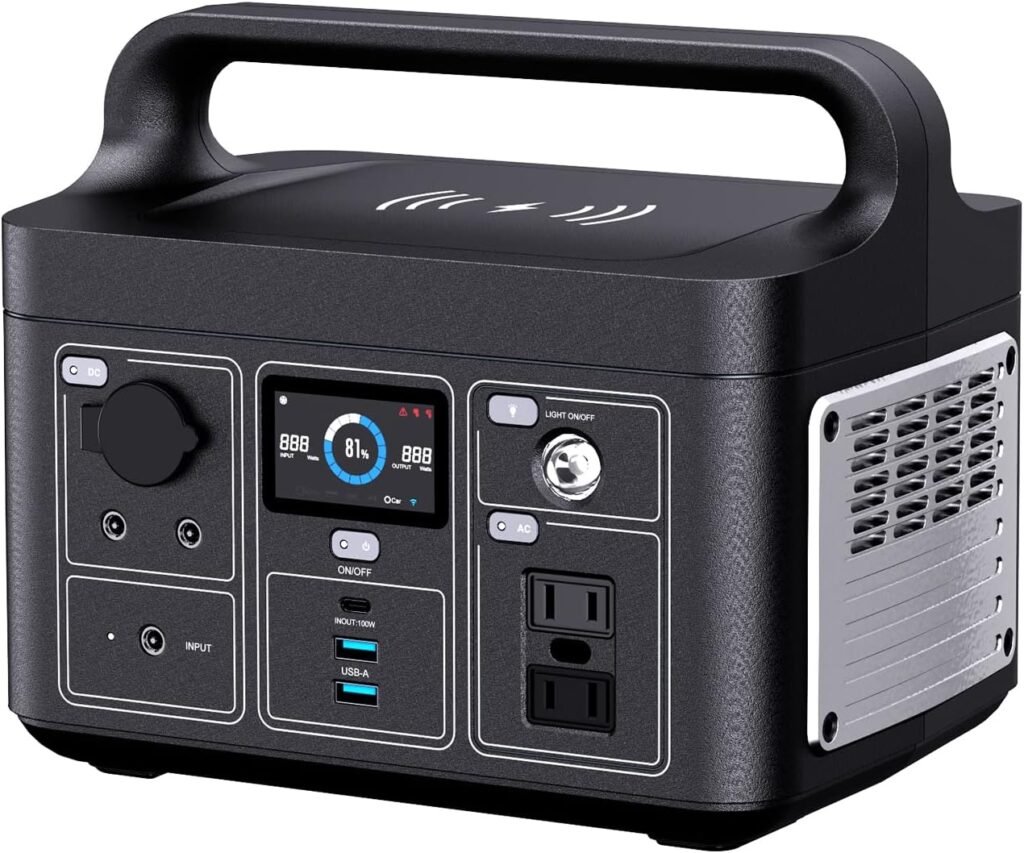
The VIGORPOOL Portable Power Station LAKE 300 is a small but capable solar-ready power station designed for camping, travel, fishing, and emergency backup at home. It pairs a 320Wh LiFePO4 battery with a 300W pure sine wave inverter, multiple output ports, and fast recharging options to keep many devices running at once.
At its core, it’s a portable battery box that can charge phones, laptops, cameras, drones, CPAP machines (within its wattage range), and small appliances. We can use it on its own, or hook it up to compatible solar panels to turn it into a fully functional solar generator system.
Key Specifications at a Glance
Sometimes it’s easier to understand a product when we see the main specs side‑by‑side. Here’s a quick summary of what the LAKE 300 offers.
| Feature | Specification / Detail |
|---|---|
| Battery Capacity | 320Wh LiFePO4 (Lithium Iron Phosphate) |
| AC Output Power | 300W continuous, 500W surge (pure sine wave) |
| AC Output Voltage | 230V (ideal for EU/UK and similar regions) |
| Recharging Time | About 2.5 hours (dual charging: wall + USB‑C PD) |
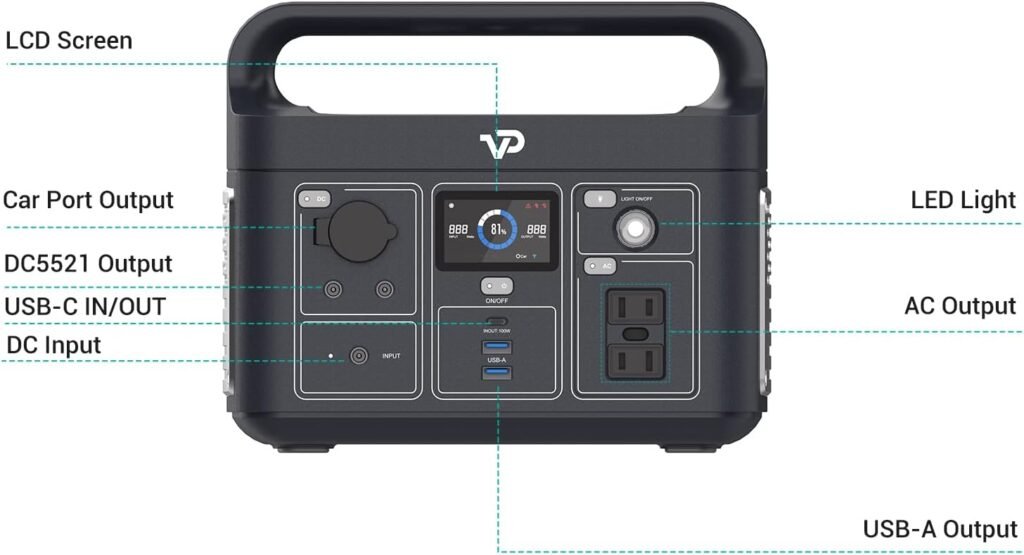
| Output Ports (Wired) | 2 × AC, 2 × USB-A, 2 × USB‑C (up to 100W), 1 × Car socket, 2 × DC5521 |
| Wireless Charging | 1 × wireless output pad on top |
| Battery Lifespan | Around 80% capacity remaining after 2,000+ charge cycles |
| Inverter Type | Pure sine wave (safer for sensitive electronics) |
| Charging Methods | Wall AC, USB‑C PD, solar via MPPT, DC input |
| Use Cases | Camping, travel, fishing, road trips, emergency backup, off‑grid work |
These specs make the LAKE 300 a mid‑size, everyday carry power station—stronger than basic power banks, but still portable enough for regular trips and home use.
Design and Portability
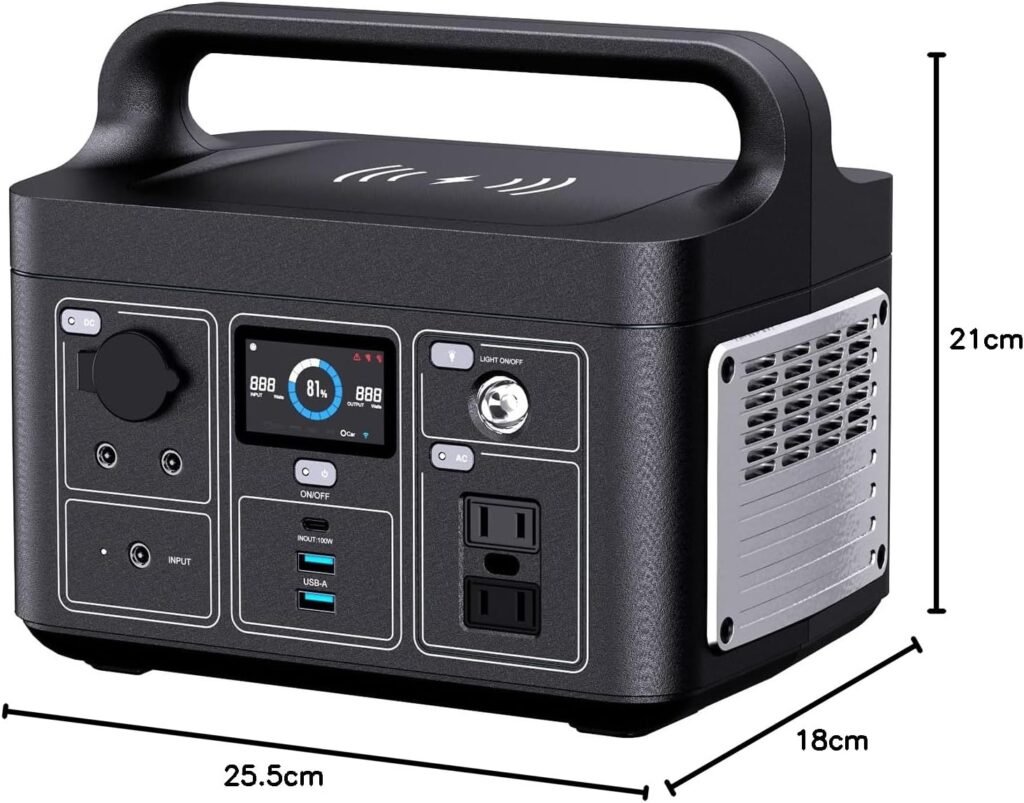
The LAKE 300 is clearly built around the idea that we’ll actually carry it around, not just leave it in a corner. It’s relatively small, has a streamlined handle, and a modern, clean look that doesn’t scream “industrial equipment.”
We get a compact footprint that can slide easily under a car seat, sit at the corner of a tent, or stay on a desk without taking over our entire workspace. The shape and handle make it simple to grab with one hand, and the layout of the ports is intuitive and friendly.
Build Quality and Materials
The housing feels sturdy and well-constructed, designed to handle the bumps and knocks of real-world travel. The LiFePO4 battery chemistry inside adds another layer of confidence, since it’s known for thermal stability and safety.
We don’t get full-blown rugged waterproof housing here; this is more “everyday durable” than “extreme expedition armor.” Still, for camping, fishing, RV trips, and backup power at home, the build feels reliable and solid, not flimsy or cheap.
Portability in Real-World Use
Portability isn’t just about size, it’s about how often we’re willing to bring the device along. Because the LAKE 300 is relatively light and neatly designed, it becomes easy to toss it in the car for a weekend trip or move it from room to room during power cuts.
We’re more likely to actually use a power station that doesn’t feel like a chore to carry, and in that sense the LAKE 300 hits a sweet spot: much more capable than a big power bank, but not nearly as bulky as large 1000Wh+ units.
Battery Technology: Why LiFePO4 Matters
Battery chemistry makes a major difference in both safety and longevity. The LAKE 300 uses LiFePO4 (Lithium Iron Phosphate), which is a big positive compared to older lithium-ion designs.
This technology gives us a battery that is more stable, less prone to overheating, and able to handle more charge cycles before noticeable capacity loss. That means fewer worries in hot cars, long sunshine exposure, or extended usage.
2,000+ Cycles and Longevity
According to the product details, the LAKE 300’s battery maintains about 80% of its original capacity even after 2,000+ cycles. A “cycle” typically means one full charge and discharge, so that’s a lot of use before we see significant degradation.
In simple terms, if we charged and discharged it fully every day, we’d be looking at several years of heavy use before it even got down to 80%. For casual users—occasional trips, weekend camping, and emergency use—that can stretch much, much longer.

Capacity and Power: What 320Wh and 300W Really Mean
The two key performance numbers here are 320Wh (battery capacity) and 300W (AC output power). Together, they tell us what we can realistically run and for how long.
Wh (watt-hours) measure how much energy the battery stores. W (watts) measure how much power is delivered at any given moment. With 320Wh and 300W continuous output, we get enough juice for smaller appliances and plenty of electronics, without stepping into heavy-duty tools or big heaters.
Practical Runtime Examples
To get a sense of what this setup can do, we can estimate rough runtimes. Actual results depend on efficiency, inverters, and device behavior, but these ballpark figures help set expectations:
- Smartphone (10–15Wh charge): We could recharge a modern smartphone roughly 15–20+ times, depending on screen-on use and losses.
- Laptop (60Wh battery): We might get around 4–5 full laptop charges, or several hours of continuous productivity.
- CPAP machine (40–60W, no humidifier): Potentially 4–6 hours or more, depending on settings and exact consumption.
- Mini fan (10–20W): Well over 10 hours of operation, especially at lower speeds.
- LED light (5–10W): Dozens of hours, enough for several nights of lighting in a tent or cabin.
- Small camera/drone batteries: Many charges, especially when using the USB or DC outputs rather than AC.
This capacity is squarely aimed at light appliances and electronics rather than high-draw devices like kettles, hair dryers, or large power tools.
Fast Recharging: From Empty to Full in About 2.5 Hours
One of the standout features of the LAKE 300 is its recharging speed. Using dual charging—90W wall adapter plus a 100W USB‑C PD charger simultaneously—we can bring it from empty to full in roughly 2.5 hours.
Fast recharging matters when we’re on the move or have limited time at a power outlet. It also helps during outages, where we might only have a short window of grid power to top everything up.
Dual Charging: Wall + USB‑C PD
The dual charging capability is more than just a marketing line. We can plug in:
- The included AC wall charger (up to 90W), and
- A USB‑C PD charger (up to 100W) at the same time.
Combined, this significantly shortens the time needed to refill the battery. If we only have one charger handy, it will still charge; we just won’t hit that fastest possible turnaround.
Solar Charging and MPPT Controller
The LAKE 300 supports solar input, and it has a built-in MPPT (Maximum Power Point Tracking) controller to improve solar efficiency. MPPT means it can adjust to extract as much energy as possible from our solar panels, especially under varying sunlight conditions.
With a suitable solar panel (for example, around 100W rated output in good sunlight), we can realistically recharge the station during the day. This makes it much more attractive for longer off-grid stays, such as extended camping or remote cabins.
Output Options: 8 Ports + 1 Wireless Charger
One of the strengths of this unit is the sheer variety of outputs. We can plug in many different devices simultaneously, without juggling adapters or fighting over who gets to charge first.
According to the product details, we get:
- 2 × AC outputs (300W continuous, 500W surge)
- 2 × USB-A ports
- 2 × USB‑C ports (up to 100W max)
- 1 × Car socket (12V-style output)
- 2 × DC5521 ports
- 1 × Wireless charging pad (top-mounted)
AC Outputs: 230V Pure Sine Wave
The LAKE 300’s AC outputs provide 230V, 300W continuous power, with the ability to handle surges up to 500W. These are pure sine wave outputs, which is a big plus for sensitive electronics.
Pure sine wave inverters produce a smooth, consistent waveform similar to regular wall outlets. This is better for laptops, audio equipment, medical devices, and other electronics that might not respond well to “modified sine wave” power.
With 300W continuous, we’re well suited for:
- Laptops and chargers
- Small fans
- LED lamps
- Routers and modems (during an outage, with proper adapters)
- Small monitors and similar low-power appliances
We just need to stay below that 300W continuous limit and keep in mind that anything with a motor or heating element typically draws more power.
USB and USB‑C Outputs
Between the two USB-A and two USB‑C ports, we can keep a whole family’s devices topped up. The standout is the USB‑C PD port that can go up to 100W, which is especially useful for:
- Modern laptops
- Tablets
- Fast-charging phones
- USB‑C power banks
- Some cameras and drones that charge via USB‑C
Having 100W PD available means we may not need to use the AC outlets (and a separate laptop power brick) for many devices, which improves efficiency and extends runtime.
Car Socket and DC5521 Outputs
For gear that expects a car-style 12V outlet, the car socket output is a natural fit. That includes some portable coolers, inflators, and automotive accessories.
The two DC5521 ports are handy for:
- LED lighting strips
- Some routers and networking gear (with correct voltage and adapter)
- Specialty electronics that rely on barrel connectors
These DC options help us avoid using an inverter for everything, which can save energy and reduce conversion losses.
Wireless Charging Pad
On top of the unit, there’s a wireless charging output. We can just place our compatible smartphone or earbuds case on the pad and charge without fumbling for cables.
This may not be the most power-efficient method, but it is effortless and neat—especially in a tent, cabin, or car where cables tangle easily. It’s one of those convenience features that we quickly get used to.
Usability and Everyday Experience
Specifications are one thing; how a device feels to use is another. The LAKE 300 aims to be approachable and user-friendly rather than intimidating.
The control interface is straightforward, with clearly labeled ports and simple buttons to toggle outputs. The overall design doesn’t require us to be “techy” to understand how to plug things in safely.
Managing Multiple Devices at Once
Since we can connect up to nine devices at the same time (thanks to the multiple ports plus wireless charger), the LAKE 300 is well-equipped for group outings:
- Phones and tablets for everyone
- A laptop or two for work or entertainment
- A fan or LED lamp for comfort
- A camera battery charger or drone charger
It quickly becomes a small power hub that sits at the center of a campsite, van, or living room during a blackout. We just need to stay aware of total load so we don’t exceed that 300W continuous AC limit.
Noise, Heat, and General Comfort
Portable power stations usually have internal fans to keep components cool under load or while charging. The LAKE 300 is designed to be eco-friendly and safe, but we should still expect some fan noise at times.
In typical use, this is a soft humming sound that’s easy to ignore, but in a very quiet tent or bedroom, it might be noticeable when powering heavier loads. For most users, it will be perfectly acceptable, especially considering the cooling is there to protect the device and extend its life.
Safety and Protection Features
When we’re running expensive electronics or medical devices, safety cannot be an afterthought. The LAKE 300 combines a safer battery chemistry (LiFePO4) with inverter protections to reduce risk.
The pure sine wave inverter is kinder to sensitive gear, and the internal electronics typically include protections against over-voltage, under-voltage, short circuits, and over-temperature scenarios.
While we always need to follow the user manual and avoid pushing any device beyond its rating, it’s reassuring to know that the power station itself is built with safety in mind.
Use Cases: Where the LAKE 300 Fits Best
The ideal use cases for this power station are situations where we want strong, versatile power, but don’t need large, heavy, high-capacity units. It shines when portability, fast charging, and multi-device support matter.
Camping and Outdoor Adventures
For camping, the LAKE 300 is in its element. We can run:
- LED lanterns and strip lights in the tent
- A small fan on hotter nights
- Phones, cameras, tablets, and drones
- Speakers or small projectors for evening entertainment
Because it supports solar charging, we can pair it with a compatible panel and create a semi-permanent camp power setup. That way, as long as we have decent sunlight, we stay charged day after day.
Fishing Trips and Lakeside Relaxation
Since this product is even named “LAKE 300,” it’s easy to imagine it on a dock or boat. For fishing trips or lakeside weekends, we can power:
- Aerators or bait pumps (within power limits)
- Phones, GPS units, and fish finders (through DC or USB)
- Portable coolers that use car sockets
- Worklights for early morning or late evening sessions
We just need to keep it away from splashes and moisture, as it’s not a waterproof device.
Travel, Road Trips, and Van Life
On the road, having a flexible power station like this one brings a lot of peace of mind. In a car, van, or small camper, it can:
- Keep laptops and work devices running
- Charge phones and portable gaming systems for kids
- Run a mini fan or small light at night
- Provide backup for a portable fridge when parked
Its relatively small size also makes it easy to stow when not in use and move between vehicle and accommodation.
Home Backup and Emergency Use
While 320Wh won’t power an entire home, it’s still useful during a power outage. We can:
- Keep communication devices charged
- Run a Wi‑Fi router and modem (with appropriate adapters)
- Power LED lights in main rooms
- Keep a laptop charged to stay productive or informed
For short outages or as part of a broader home preparedness plan, the LAKE 300 provides a reliable, rechargeable backup that doesn’t require fuel or engine maintenance like a gas generator.
Pros and Cons Overview
Every product has strengths and limitations. The LAKE 300 is no exception, and it’s worth balancing both sides before deciding if it fits our needs.
Advantages
- LiFePO4 Battery: Safer, more stable, and longer-lasting than many traditional lithium-ion options.
- 2,000+ Cycles: 80% capacity after thousands of cycles translates to long service life.
- Fast Recharging: Dual charging (AC + USB‑C PD) can fully recharge in about 2.5 hours.
- Versatile Outputs: AC, USB-A, USB‑C (100W), car socket, DC5521, and wireless charging give plenty of connection options.
- Pure Sine Wave AC: Gentle on sensitive electronics and better for long-term device health.
- Portable Design: Relatively light and compact, with a user-friendly handle and layout.
- Solar-Ready with MPPT: Efficient solar charging allows off-grid use and day-to-day top-offs.
Limitations
- 300W AC Limit: Not suitable for high-draw appliances such as kettles, big heaters, or many power tools.
- Medium Capacity: 320Wh is great for small devices and short-term use, but not meant for running large loads overnight.
- Not Ruggedized or Waterproof: Needs to be protected from water, extreme impacts, and very harsh environments.
- Region-Specific AC Voltage: With 230V AC output, it’s tailored toward certain regions; users in 110V regions need to pay attention to compatibility.
By recognizing both its strengths and constraints, we can better decide if it fits our typical scenarios—weekend camping, travel, moderate off-grid work, or home backup.
Included in the Box
Knowing what’s included helps us plan any extra accessories we might need. With the LAKE 300, we get the essentials:
- 1 × VIGORPOOL LAKE 300 power station
- 1 × AC cable
- 1 × AC adapter
- 1 × DC cable
- 1 × User manual
We’ll still need to provide our own solar panels if we want full solar generator functionality, and we might want additional cables or adapters depending on our gear. But the included items are enough to start using wall charging and DC input right away.
Tips for Getting the Most Out of the LAKE 300
Using a portable power station effectively is partly about good habits. With a few simple practices, we can stretch runtime and extend the life of the unit.
Match Devices to the Right Outputs
Whenever possible, it’s more efficient to:
- Charge smaller devices (phones, tablets, earbuds) via USB-A or USB‑C, not AC.
- Use USB‑C PD for laptops that support it, instead of their AC power bricks.
- Use the car socket or DC5521 outputs for devices that are designed for DC, like car fridges or LED strips.
By minimizing AC inverter use for things that can run on DC, we reduce conversion losses and squeeze more usable energy from the battery.
Monitor Power Usage
While we don’t have to obsess over every watt, keeping an eye on what’s plugged in helps avoid overloads. Some tips:
- Avoid running multiple higher-wattage devices at once on AC.
- Be mindful of start-up surges for devices with motors (like some fans or pumps).
- Turn off ports or outputs that are not in use to reduce idle consumption.
If we develop a sense of what draws the most power, we can plan our usage to fit within 320Wh more comfortably.
Care and Maintenance
To keep the battery healthy over the long term:
- Avoid leaving it fully discharged for long periods.
- Store it in a cool, dry place when not in use.
- Try not to leave it in direct, intense sunlight for extended periods, especially inside a closed car.
- Follow any manufacturer recommendations in the user manual regarding storage charge levels.
LiFePO4 is quite robust, but a little care can still go a long way toward maximizing lifespan.
Who Is the LAKE 300 Best Suited For?
The VIGORPOOL Portable Power Station LAKE 300 is not a one-size-fits-all power solution, but it matches beautifully with several types of users.
It’s a great fit for:
- Campers and outdoor enthusiasts who want reliable, quiet, and clean power for small appliances and devices.
- Travelers and road trippers who need a portable hub for charging laptops, tablets, and phones.
- Fishing and lakeside hobbyists who want to bring some extra comfort and capability (lights, coolers, electronics) without lugging a huge power station.
- Home users who want a compact backup to keep essentials running during shorter power outages.
- Remote workers or students who sometimes work in off-grid cabins, vans, or outdoor spaces and need stable power for laptops and connectivity gear.
On the other hand, if our main goal is to run large appliances (microwaves, big fridges, air conditioners, or power tools) for long periods, we would need a much larger, higher-wattage unit.
How It Compares to Larger and Smaller Power Stations
In the broader landscape of portable power, the LAKE 300 sits comfortably in the mid-range. It’s more capable than simple power banks but smaller and lighter than big “whole-camp” units.
Compared to tiny power banks (10,000–30,000mAh):
- It holds far more energy (320Wh is roughly 10–20 times more than a small power bank).
- It offers AC output and more high-power DC options.
- It’s bigger and heavier but much more versatile.
Compared to large 1,000Wh+ stations:
- It’s far easier to carry and store.
- It charges faster from empty due to the smaller capacity.
- It can’t run heavy loads for as long, but it’s better for quick trips and mobile use.
If we like to travel light but still want “real” AC and diverse outputs, this balance can be ideal.
Environmental and Practical Considerations
For those of us conscious of our environmental footprint, the LAKE 300 offers a quieter, cleaner alternative to fuel-based generators. Paired with solar panels, it helps lower dependence on grid power and fossil fuels, especially for routine charging of electronics and small devices.
From a practical standpoint, we also avoid fuel storage, exhaust fumes, and complex maintenance. We just plug it in, charge it up, and bring it with us. That simplicity can be a major advantage in everyday life.
Our Overall Take on the VIGORPOOL LAKE 300
The VIGORPOOL Portable Power Station LAKE 300 packs a lot of thoughtful features into a compact, travel-friendly design. With a 320Wh LiFePO4 battery, 300W pure sine wave inverter, multiple outputs, fast dual charging, and solar-ready MPPT technology, it offers a reliable, modern solution for powering small electronics and modest appliances on the go.
We see it as an excellent option for campers, travelers, outdoor hobbyists, and households wanting a convenient backup power source. It won’t replace a whole-house generator or support heavy-duty devices, but within its 300W and 320Wh limits, it does its job with confidence and style.
If we’re looking for a safe, portable, and flexible power companion that can recharge quickly, handle a variety of devices, and last through thousands of cycles, the LAKE 300 deserves serious consideration as our go-to mid-size portable power station.